Principles of Biology III (BL 1700)
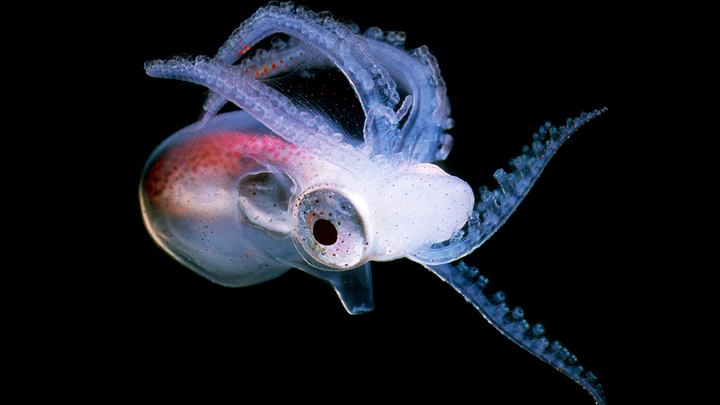
This is an introductory course that builds from what students have learned about sub-organismal biology (Principles I) and organismal biology (Principles II). We spend 15 weeks surveying the diversity of life on Earth, and the evolutionary processes that have generated the tremendous biological diversity that surrounds us.
We spend quite a bit of time talking about traits that define clades - broad groups of species evolved from a common ancestor. But what I really want students to get from this course is an understanding for how much humans rely on biodiversity for our well-being. Biodiversity influences our lives in profound ways-it is the source of every single calorie every human has ever consumed, it is a largely unexplored source of medicine, and it inspires consumer products that we all use (velcro was invented to mimic the way plant seeds attach to your pants when you walk through the woods). Humans also have an innate sense of biophilia, or affinity for nature: US national parks receive the equivalent of the entire country’s population in visits per year, and more Americans visit zoos and aquariums than attend all professional sporting events combined.
The course is divided into seven modules of about two weeks each. Each class is focused on a particular topic that feeds into the overarching module. Before most classes students are asked to do some reading and watch lecture and other videos online. These readings and videos are the primary source of foundational knowledge, like key vocabulary and important concepts. Think of those videos and readings as homework–students focus on them outside of class, and come equipped to each class meeting armed with their new knowledge base. In class, we apply that new knowledge in different ways–sometimes we will use problem sets, other times a short activity, or a discussion. Class is also a time to ask questions and clarify points of confusion.
James Watling
Associate Professor and Coburn Chair of Environmental Science
My research and teaching interests focus on environmental biology and GIS