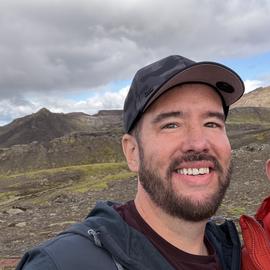
Biography

I am the Coburn Professor of Environmental Science at John Carroll University in Cleveland, USA. I am always interested in hearing from undergraduates enrolled at JCU or students interested in coming to JCU for their masters degree. If you are a student who wants to join the lab, please send me an email describing your academic background, work experience, and research interests to jwatling [at] jcu.edu.
In our lab, we use observational, experimental, and geospatial modeling approaches to understand how drivers of global change such as landscape modification and climate change impact species and the landscapes in which they occur. My students and I do fieldwork in the United States and South America, working with a network of graduate students and undergraduate collaborators, technicians, and researchers from the federal government. Click on the links below for more information about current research projects, courses, and more, and check out this video about recent work in the lab
Several years ago, students in the lab and I collaborated on our first lab philosophy statement, which we upadted and reaffirmed most recently in 2023.
Download my CV.
- Landscape Ecology
- Conservation Biology
- Herpetology
-
PhD in Biological Sciences, 2005
Florida International University
-
MS in Biological Sciences, 2000
Florida International University
-
BA in Environmental Science, 1996
Boston University
People in the Lab
Alumni
Andrew Veselka
Grad Student
Andrés Aponte Gutiérrez
Grad Student
Antoinette Esposito
Grad Student
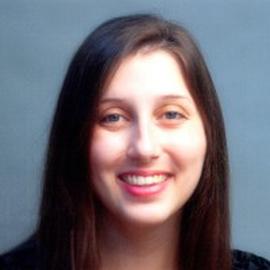
Arianna Zrzavy
Undergrad
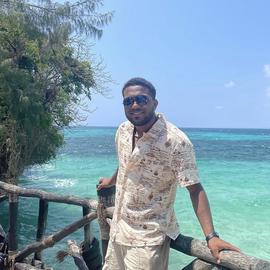
Blake Dixon
Undergrad
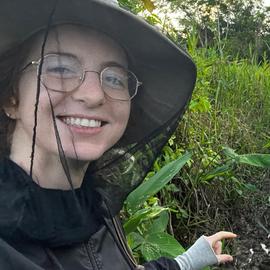
Carly Anderson
Undergrad
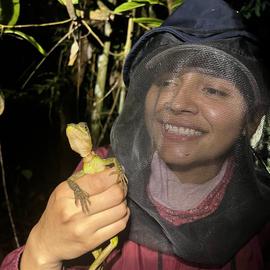
Catalina Valderrama Robles
Grad student
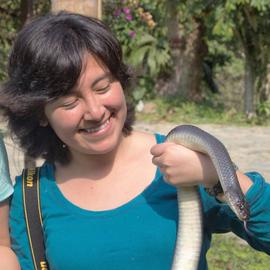
Consuelo de las Nieves Alarcón Rodriguez
Grad Student
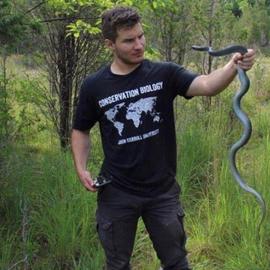
Drew Benos
Undergrad
Heydee Villanueva Romero
Undergrad
Hope Uwase
Undergrad
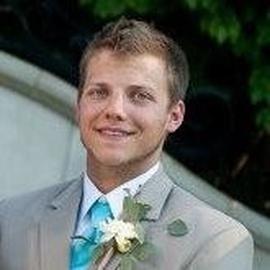
Ian Reider
Grad Student
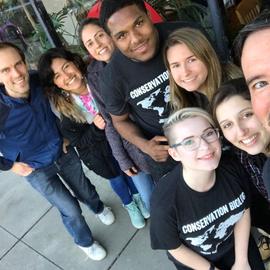
Jake Bellamy
Undergrad
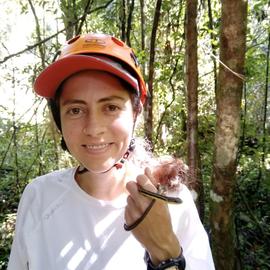
Júlia Laterza Barbosa
Grad Student
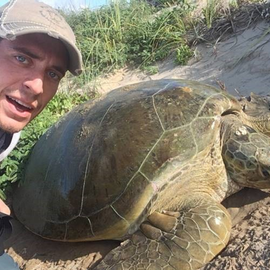
Micah Ashford
Grad Student
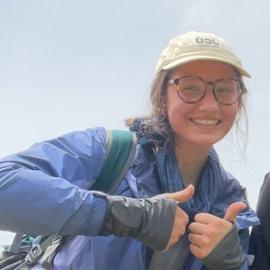
Molly Russell
Undergrad
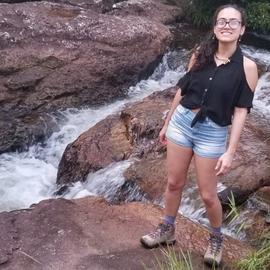
Osmary Medina Baez
Grad Student
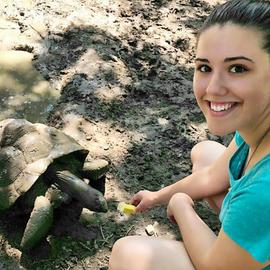
Rachel Snyder
Grad Student
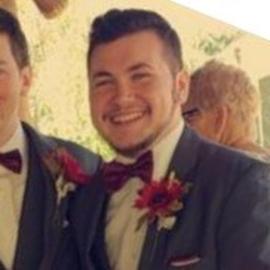
Ray Tobias
Undergrad
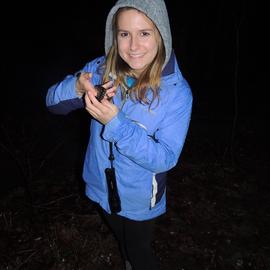
Sam Skerlec
Undergrad
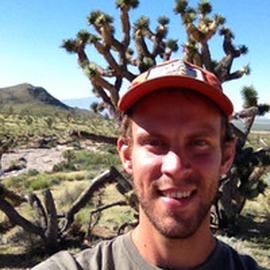
Zack Lange
Grad Student
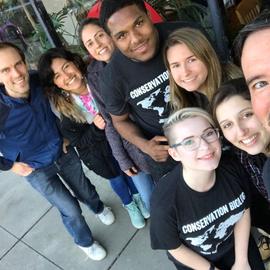
Zee Molter
Undergrad
Research
A few recent publications based on my research are highlighted in the next section (Featured Publications), followed by links to all my papers.
Research in the lab generally falls into one of two broad categories:
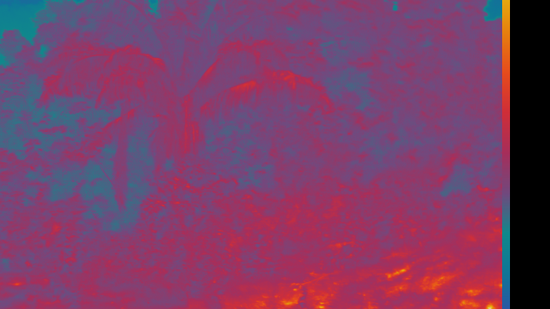
Species ecology in thermal landscapes
Research based on field, lab, and modeling work
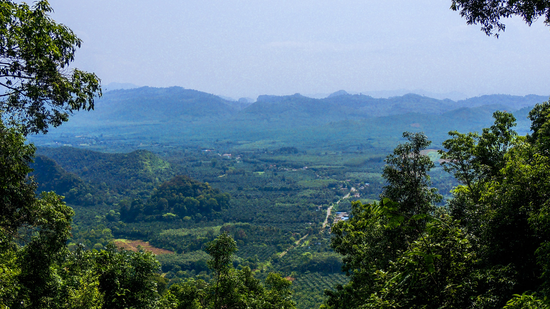
Testing theory in landscape ecology
Research based on meta-analysis and literature synthesis
Featured Papers
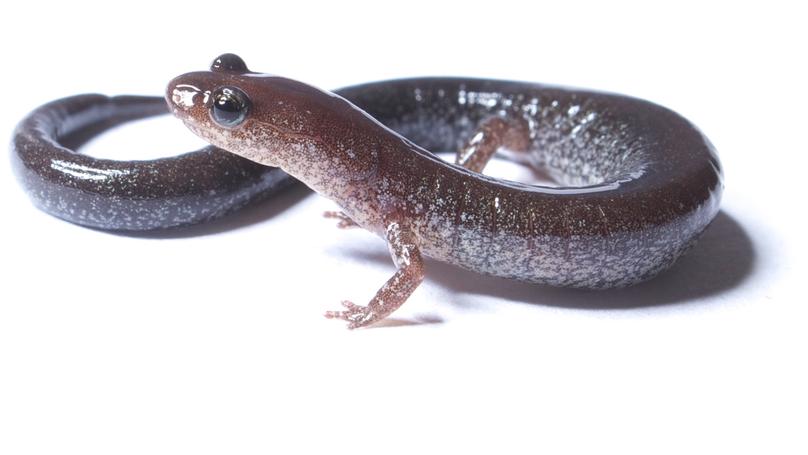
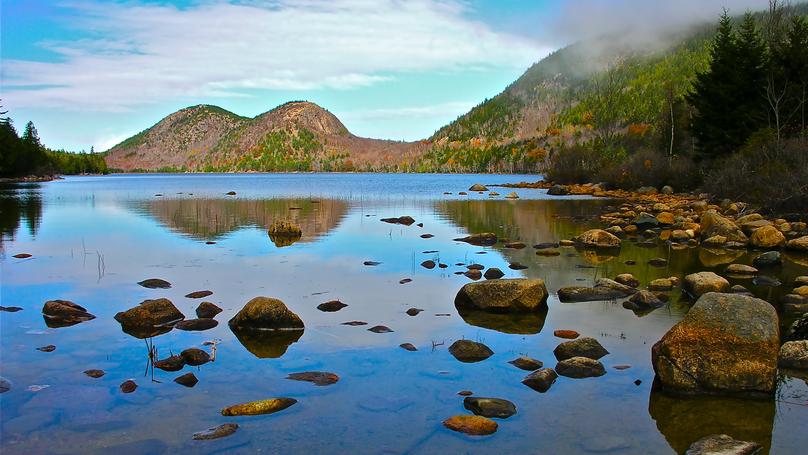
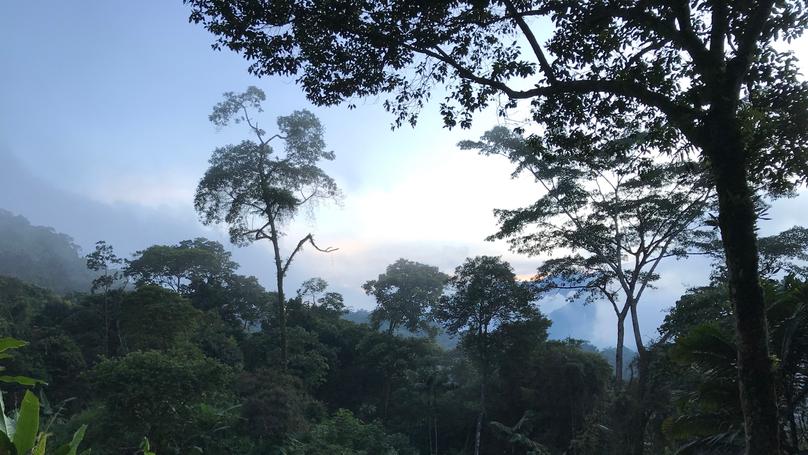
All papers
2020-present
2026 Valderrama Robles SC, Russell MG, Anthony CD & Watling JI. Effect of temperature acclimation period on upper thermal tolerance in a terrestrial salamander. PeerJ 14:e20775. 2025 Saboyá Acosta LP, Watling JI & Urbina-Cardona JN.
2010-2019
2019 Betts MG et al. Extinction filters mediate the global effects of habitat fragmentation for animals.Science 366: 1236–1239. Cameron AC, Page RB, Watling JI, Hickerson C-AH & Anthony CD. Using a comparative approach to investigate the relationship between landscape and genetic connectivity among woodland salamander populations.
2000-2009
2009 Watling JI, Gerow K & Donnelly MA. Isolation and nested species subsets of amphibians and reptiles on Neotropical forest islands. Animal Conservation 12: 467—476. 2008 Watling JI & Donnelly MA.
Courses taught
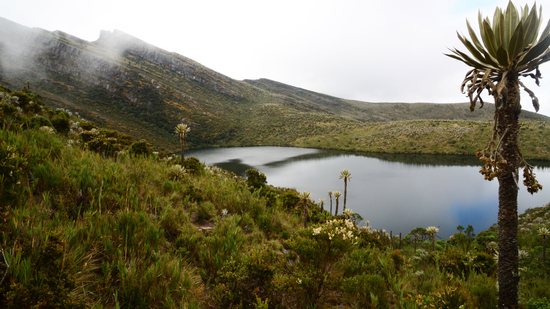
Conservation Biology (BL 4190)
Teaching statement
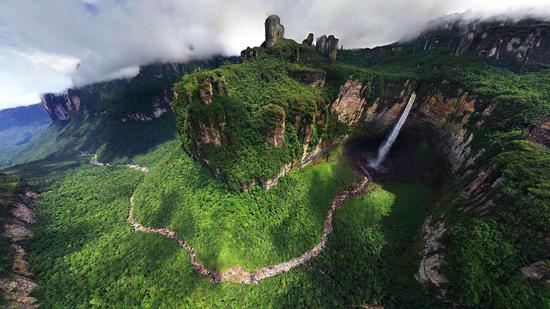
Environmental Earth Science (PH 1150/1151)
Teaching statement
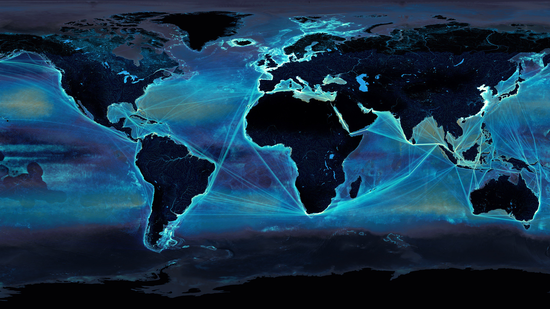
Introduction to GIS (BL 4170/4175)
Teaching statement
Principles of Biology III (BL 1700)
Teaching statement